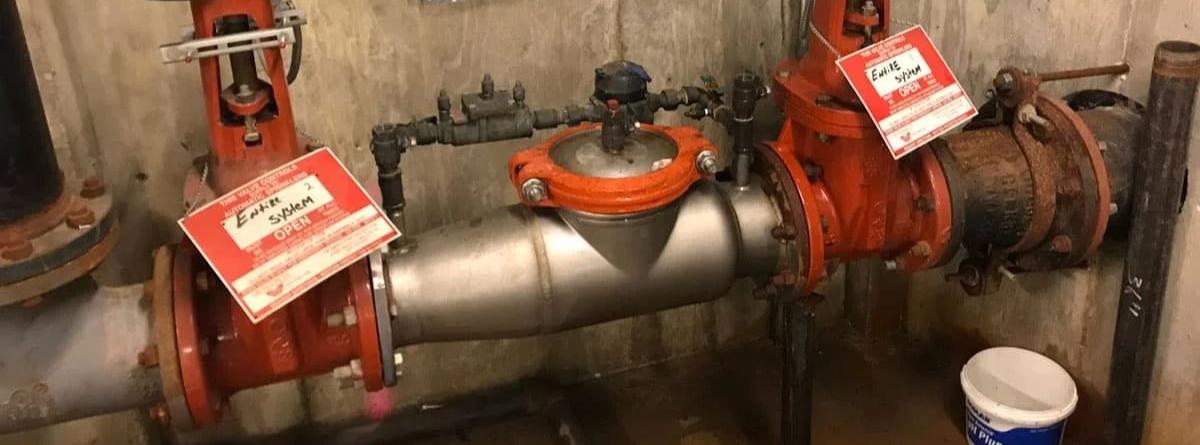
Have an Irrigation System, Fire Line, or Commercial Property?
If your property has an irrigation system, a fire sprinkler line, or falls into certain commercial categories, California requires an annual test of your backflow prevention device - a requirement most property owners only learn about when a notice arrives or a sale falls through over a missing test record. Backflow testing and prevention is that annual check, plus the installation and repair of the devices themselves.
Why This Requirement Exists
Backflow is the reversal of normal water flow, which can pull non-potable water - from an irrigation system, a pool, or certain commercial equipment - backward into the drinking water supply if pressure conditions allow it. A cross-connection is any point where a potable line connects to a source that could introduce contamination. Backflow prevention devices are installed at these connection points specifically to stop that reversal from happening, protecting not just your own property's water but the shared public water system.
Annual Testing Is State Law, Not Optional
California Code of Regulations, Title 17, requires backflow prevention assemblies to be tested at least annually by a certified tester, enforced locally by your water purveyor. This applies regardless of whether the property is occupied or vacant, and covers residential irrigation systems as well as commercial and fire-service connections. Missing a test typically triggers a notice from the water agency, and a device that fails testing must be repaired and retested before the deadline.
Common Situations That Require a Device
- ●
Residential and commercial in-ground irrigation systems.
- ●
Fire sprinkler service lines.
- ●
Commercial properties with certain process equipment, boilers, or chemical-use areas.
- ●
Properties with a well or auxiliary water supply alongside a municipal connection.
Testing, Installation, and Repair
We test existing backflow prevention assemblies and submit the required documentation to your water purveyor, install new devices where a cross-connection needs one for the first time, and repair or replace assemblies that fail testing. If your property is commercial, our contact page is the fastest way to get a testing schedule set up before your compliance deadline rather than after a notice arrives.
What Actually Causes a Device to Fail Testing
Backflow prevention assemblies rely on internal check valves and seals that wear over time, the same way any mechanical valve does, and Lancaster's hard water accelerates that wear through mineral scale on moving parts just as it does elsewhere in a home's plumbing. A device that passed testing for years can start failing as those internal components age, which is exactly why the annual test exists rather than a one-time installation check - a device installed correctly can still degrade to the point of failure without any obvious external sign.
A Simple Way to Never Miss a Test
Because backflow testing runs on a fixed annual cycle, it's one of the easiest compliance requirements to build into a standing schedule rather than relying on a notice from your water purveyor to remind you. Property owners managing multiple devices - a commercial property with irrigation and a fire line, for instance - benefit especially from scheduling all of them together rather than tracking separate deadlines for each one.
Adding a Device for the First Time
If you're installing a new irrigation system, adding a fire sprinkler line, or bringing in commercial equipment that introduces a cross-connection for the first time, a backflow prevention device needs to be added and registered with your water purveyor before the connection goes into regular use - not retroactively after an inspector or a water agency notice catches it later. Building this into the project plan from the start avoids a delay at final inspection and keeps the new system compliant from day one rather than needing a second visit to correct it.
Questions
Often yes - residential irrigation systems are one of the most common reasons a backflow prevention device is required, since they're a direct cross-connection to soil and outdoor chemicals.
Your water purveyor typically sends a notice, and continued non-compliance can eventually affect water service to the property. It's a real deadline, not a suggestion.
State regulations require testing by a certified backflow prevention tester - not just any plumber, though many licensed plumbing contractors, including ours, hold that certification.
A standard test on an accessible device is usually quick, often well under an hour, with results submitted directly to your water purveyor afterward.
Ready When You Are
Call (714) 750-8637 - we'll get to Lancaster soon.