Cleanup and Drying, Not the Plumbing Repair Itself
Water damage restoration is the cleanup, drying, and mold-prevention work that follows a leak or flood - it's a different job from fixing the pipe or fixture that caused the water in the first place. If a burst pipe, slab leak, or drain backup is still active, our plumbing team can also handle the actual repair on the slab leak or the drain side; this page covers what happens to the water damage itself once the source is stopped.
Water in a Lancaster home rarely comes from rainfall alone. The most common sources we see are a failed water heater tank, a slab leak that went unnoticed for weeks under the concrete, a burst supply line on a cold high-desert night, and - less often but real - runoff from a summer monsoon thunderstorm pushing water toward a home faster than the yard's grading can carry it away. Each source leaves a different pattern of damage, and the restoration plan starts with figuring out which one you're dealing with.
If a backed-up drain is what pushed water onto your floor in the first place, our drain team can clear the actual clog once the standing water is handled here.
How Restoration Actually Works
- 1
Inspection and moisture mapping. Moisture meters find water that has already migrated into walls, subfloor, or baseboards - not just what's visible on the surface.
- 2
Water extraction. Standing water is pulled out first, since every hour it sits raises the risk of warped flooring and mold taking hold.
- 3
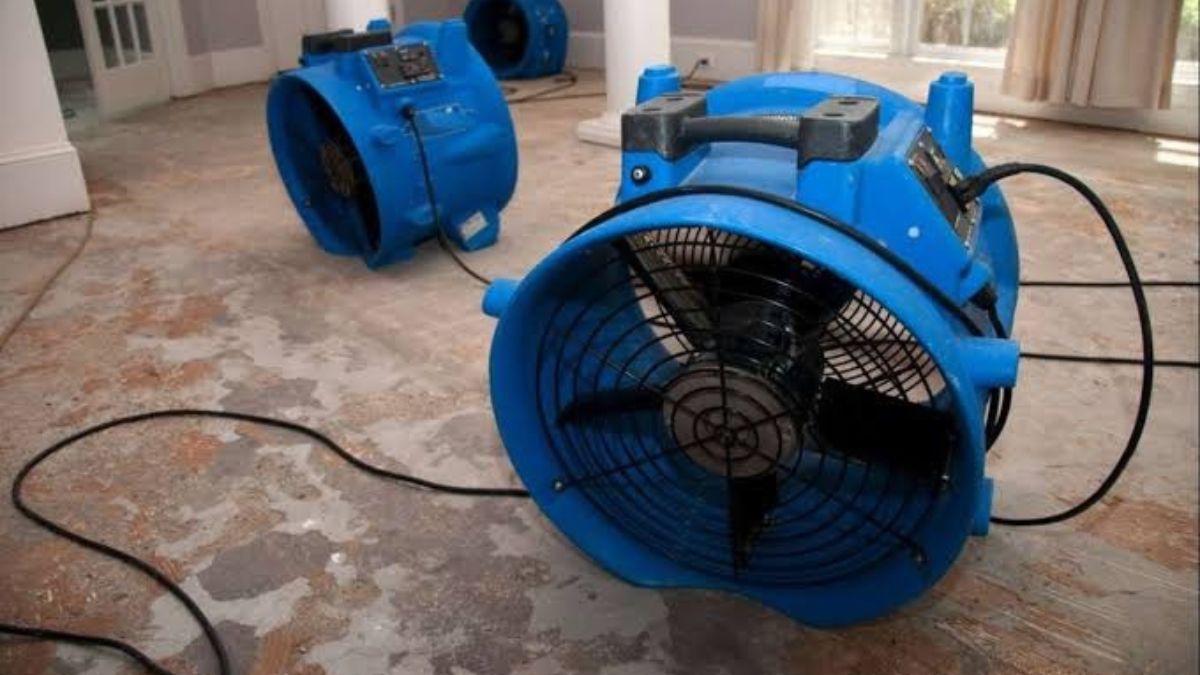
Structural drying. Air movers and dehumidifiers run for days, not hours, in Lancaster's dry climate - which actually helps drying speed once air is moving through the affected area.
- 4
Monitoring and mold prevention. Moisture levels are re-checked until materials read dry, not just "looks dry," before the job is closed out.
Signs You Need Water Damage Restoration Now
A musty smell that doesn't go away, water stains spreading across a ceiling or wall, flooring that feels soft or has started to warp, or visible mold in a bathroom or under a sink are all signs the water has been sitting longer than it looks. In a slab-foundation home, damage can be under the flooring for weeks before it shows up as a stain - if you've had a recent plumbing repair and something still smells off, it's worth a second look rather than assuming it will dry out on its own.
What to Expect, Realistically
Extraction typically happens the same day a crew arrives, since removing standing water is the priority. Structural drying is the part that takes patience - most jobs need several days of air movers and dehumidifiers running continuously before materials read fully dry on a moisture meter, and stopping early just invites mold later. Lancaster's naturally dry climate actually works in your favor here once air is circulating through the affected area, compared to a humid region where the same job can take considerably longer.
For insurance purposes, we document the affected area, the apparent cause, and moisture readings throughout the job, which gives you a paper trail to submit with a claim. We're not able to guarantee what your specific policy will or won't cover - that determination is your insurer's to make - but thorough documentation is the single biggest thing that helps a claim go smoothly.
One local factor worth planning around: Antelope Valley summers occasionally bring monsoon-influenced thunderstorms that dump a large amount of rain in a short window, and flat terrain plus dry, hard-packed soil means water can pool against a home faster than it soaks in. If your property has had runoff pool near the foundation during a summer storm before, that's worth mentioning when we assess a water damage job, since it can point to a grading or drainage factor alongside whatever plumbing issue brought us out.
Questions
Often, but it depends on your policy and the cause of the water - sudden pipe failures are commonly covered, while long-term leaks sometimes are not. We can document the damage for your claim, but coverage decisions are made by your insurer.
Yes. The sooner extraction starts, the less material has to be replaced, so this line is answered around the clock.
Fixing the leak stops new water from coming in. Restoration deals with the water that already got into your walls, floors, and belongings, plus preventing mold from taking hold afterward. Most jobs need both.
Yes, as part of the restoration scope. Extensive existing mold beyond what's tied to the current water event may need a separate remediation specialist, and we'll tell you plainly if that's the case rather than taking on work outside our scope.
Ready When You Are
Call (833) 521-1033 - we'll get to Lancaster soon.