Water Heater Maintenance Checklist: The Part Almost Everyone Skips
Flushing gets all the attention. The anode rod is the part actually standing between your tank and internal rust failure.
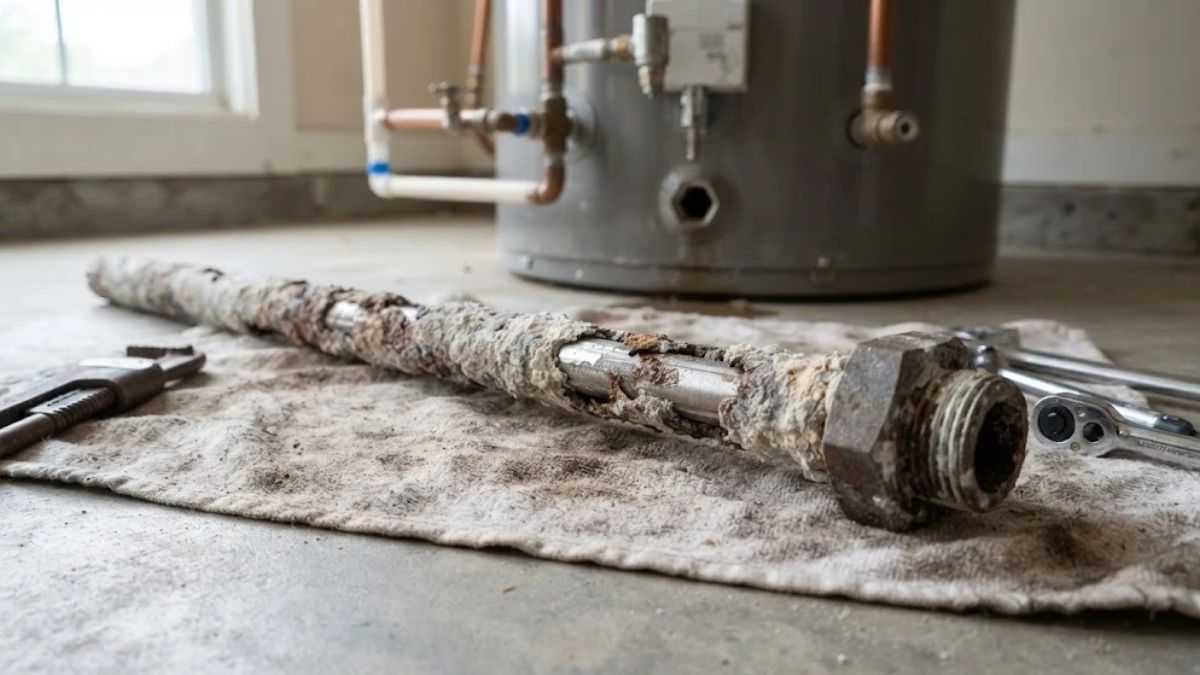
Flushing sediment isn't the only water heater maintenance task that matters in Lancaster - there's a second component almost nobody checks, and it's the one actually standing between your tank and a slow, internal rust failure.
What a Sacrificial Anode Rod Actually Does
Nearly every tank water heater has a sacrificial anode rod - typically magnesium, aluminum, or a zinc alloy - hanging inside the tank specifically to corrode instead of the tank's steel shell doing so. Through a straightforward electrochemical process, the rod attracts the corrosive reaction in the water, sacrificing itself so the tank's steel shell doesn't rust through instead. It's a genuinely simple piece of engineering, and it's also the single most overlooked maintenance item on a residential tank-style water heater. Tankless units don't use this same component, since they don't store standing water the way a tank does - this article is specifically about tank-style units.
What Happens Once It's Depleted
An anode rod typically lasts three to five years under normal everyday conditions, though water quality and household usage patterns shift that window in both directions depending on the specific property in question. Once it's fully consumed, the tank's own steel becomes the next sacrificial material in that same ongoing electrochemical process - meaning corrosion that was happening to a replaceable, inexpensive part starts happening to the tank shell itself instead. By the time that shows up as rusty water or a visible leak at the tank's base, the unit is usually past the point of any reasonable repair.
If You've Installed a Water Softener, Read This
Softened water is more electrically conductive than hard water, and that higher conductivity speeds up the anode rod's electrochemical reaction - meaning a rod that would last three to five years in untreated hard water can deplete meaningfully faster once a softener is installed. This isn't a reason to avoid softening Lancaster's hard water; it's a reason to check the anode rod on a shorter interval afterward instead of assuming the original schedule still applies.
Putting It Together With Flushing
Flushing addresses mineral scale settling on the tank bottom and heating element. The anode rod addresses a completely separate failure mode - internal corrosion of the tank shell itself. Doing one without the other leaves half the protection in place; doing both on a real schedule is what actually gets a Lancaster water heater closer to its full rated lifespan despite the local water conditions working against it. If it's been years since either was checked, that's worth bringing up on your next water heater service call.
Signs an Anode Rod Is Already Depleted
- ●
A rotten-egg smell from the hot water, which can mean the rod's material is reacting with sulfur bacteria as it corrodes.
- ●
Rust-colored water appearing well after the tank has otherwise been flushed and cleared of loose sediment.
- ●
A metallic taste to hot water specifically, not present in cold water from the same house.
What Actually Happens During a Check
Checking the rod means partially draining the tank, accessing a hex-head fitting on top of the unit (or, on some models, built into the hot water outlet), and pulling the rod to inspect how much of the original metal core remains versus how much has corroded away. A rod that's visibly thin, coated in calcium buildup, or reduced mostly to its inner wire core is due for replacement regardless of how long it's technically been in service - the calendar is a guideline, but the rod's actual condition is what matters.
Which Rod Material Actually Fits Your Situation
Magnesium offers the strongest galvanic protection and is the standard factory choice, but it reacts more readily with sulfur-reducing bacteria that some water supplies carry, which can produce a rotten-egg smell in hot water. Aluminum and zinc-alloy rods provide somewhat less aggressive protection but largely avoid that odor issue, making them a reasonable substitute for a household that's had that specific complaint with a magnesium rod installed previously. There isn't a single correct answer for every home - it depends on which trade-off matters more for your specific water and your household's sensitivity to it. We can make that call together during a service visit rather than guessing at a replacement sight unseen.
Why This Is Worth the Ten Extra Minutes
An anode rod costs a small fraction of what a full water heater replacement runs, and swapping one during a routine flush adds only a little time to a visit that's already happening. Skipping it doesn't save meaningful time or money in the moment - it just shifts a small, predictable cost later into a much larger, less predictable one whenever the tank itself finally gives out. For a maintenance item this inexpensive relative to what it protects, there's very little practical argument for skipping it once a homeowner actually knows it exists and understands what it's quietly doing inside the tank.
FAQ
Magnesium is the most common factory-installed option and offers the strongest protection, though aluminum or zinc alloy rods are sometimes used to reduce sulfur odor issues in certain water conditions. We can identify and replace whichever type is installed.
It requires draining the tank partially and accessing a hex-head fitting on top, which is straightforward for an experienced DIYer but easy to get wrong on a first attempt - a professional check during a routine flush is usually the more reliable option.
Need a Plumber in Lancaster?
Call (714) 750-8637 - we'll get to Lancaster soon.