How Much Does Water Softening Actually Save on a Lancaster Water Bill?
The real answer isn't a dollar figure - it's what stops happening to your appliances, plus one trade-off worth planning for.
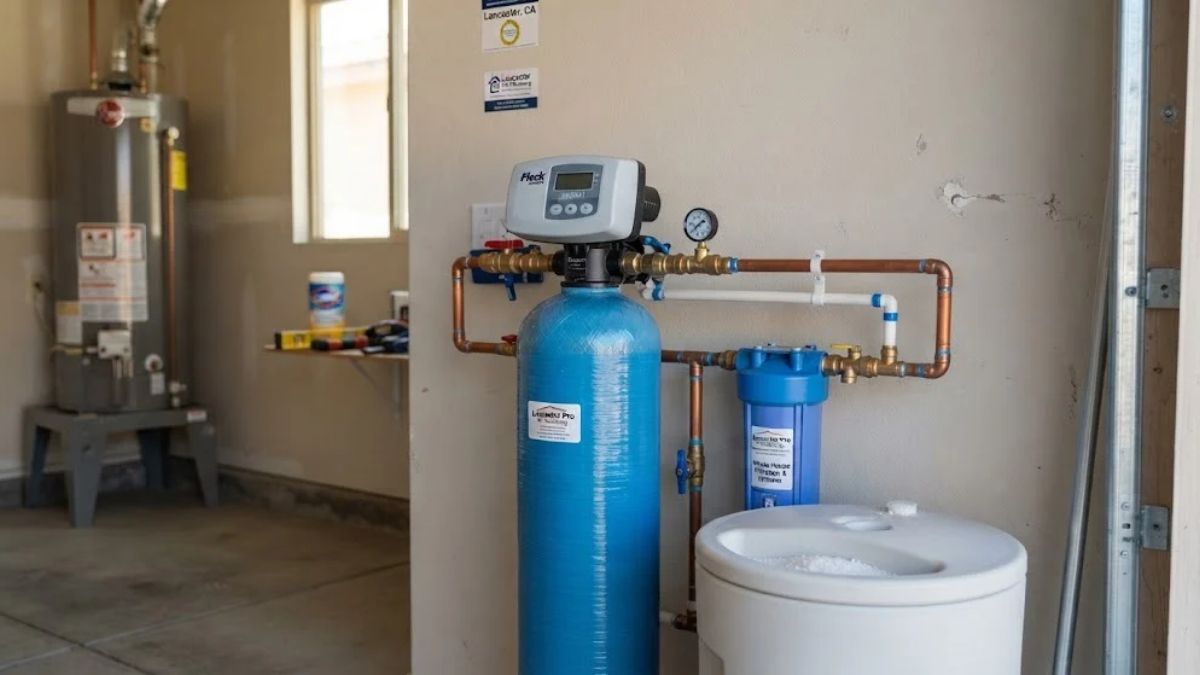
A water softener is a bigger upfront decision than a repair call, so it's worth understanding exactly what it changes before deciding whether it's worth it for a Lancaster home - not in vague terms, but in terms of what actually stops happening once the mineral load is gone.
What a Softener Removes That Flushing Can't
Flushing a water heater or descaling a tankless unit treats scale after it's already forming inside that one appliance. A whole-house softener works upstream of that, using an ion-exchange process to swap out calcium and magnesium before the water ever reaches a fixture or appliance. That means less scale forming everywhere at once - the water heater, yes, but also faucets, shower heads, the dishwasher, and the washing machine - instead of treating each one as a separate maintenance task.
The Real, Non-Fabricated Ways This Saves Money
Appliances last longer when they're not fighting scale buildup - a genuine, mechanical effect rather than a marketing claim, since the scale mechanism itself is well understood. Soap and detergent also work more effectively in softened water, which means less product used per load for the same cleaning result. And fixtures that would otherwise need periodic descaling or replacement due to mineral buildup have one less thing working against them. We won't quote you a specific dollar figure for what this saves annually, since that depends on household size, usage, and your specific appliances - but the mechanism behind the savings is real and consistent, not a sales pitch.
One Thing a Softener Changes That's Worth Planning For
Softener resin exchanges calcium and magnesium for sodium, and that swap raises the water's ionic conductivity - which happens to accelerate the electrochemical reaction your water heater's sacrificial anode rod depends on to protect the tank. Installing a softener without also stepping up your anode rod inspection schedule can mean trading one maintenance problem for another. It's not a reason to skip a softener; it's a reason to have both maintenance items on the same schedule instead of only thinking about the appliance you just installed.
When a Softener Makes Sense vs. When It Doesn't
If scale problems are showing up in more than one place - a water heater needing repeated attention, visibly scaled faucets, spotty dishes - a softener addresses the shared root cause rather than treating each symptom separately. If your only issue is a single aging water heater, a disciplined flushing schedule might be enough on its own. It's a reasonable question to bring up on any water heater repair call, since we can look at the whole picture rather than just the one appliance in front of us.
Salt-Based vs. Salt-Free Systems
A traditional salt-based softener uses ion exchange to physically remove calcium and magnesium from the water, replacing them with sodium - this is the technology that actually eliminates hard-water scale formation. A salt-free "conditioner" instead alters the mineral structure so it's less likely to stick to surfaces, without actually removing the minerals from the water. For a market with water as hard as Lancaster's, salt-based systems have a longer track record of solving the scale problem outright; salt-free systems can help but generally don't match that same level of protection for genuinely hard water.
Sizing Matters More Than the Brand
A softener sized too small for a household's actual water usage regenerates constantly and wears out faster than it should; one sized too large wastes salt and water on unnecessarily long regeneration cycles. Proper sizing depends on household size, water usage patterns, and the actual hardness level of the water it's treating - which is why a generic, one-size-fits-all unit from a big-box shelf often underperforms compared to a system sized specifically for the property it's installed on.
A Softener Isn't Install-and-Forget
A salt-based softener needs its brine tank refilled periodically, and the resin bed inside eventually needs cleaning or replacement as it wears from continuous use. Skipping this upkeep gradually reduces how effectively the system removes hardness, which can mean a homeowner assumes their softener has fixed the problem permanently when it's actually losing effectiveness in the background. Treating it as a piece of equipment with its own maintenance schedule, not a one-time fix, is what keeps it performing the way it did on day one.
How to Decide Without Guessing
Rather than deciding based on a general sense that "the water feels hard," look at the actual pattern across your home: scale visible on faucets and shower heads, a water heater that's needed more attention than it should for its age, spotty glassware even after washing, or skin and hair that feel different after Lancaster's water than they did somewhere else. If more than one of those is true at once, that's a household where a softener is addressing a real, ongoing cost rather than a hypothetical one - and it's worth having that specific pattern in mind when you call, since it helps size and justify the investment based on your actual situation rather than a generic recommendation.
FAQ
Modern, properly sized softeners generally aren't a problem for a septic system, but backwash volume and frequency are worth discussing if your property is on septic rather than public sewer - see our septic tank pumping page for that side of things.
It's a plumbing modification to your main water line, so professional installation avoids future leak points and ensures it's sized correctly for your household's actual water usage.
Need a Plumber in Lancaster?
Call (714) 750-8637 - we'll get to Lancaster soon.