What Usually Brings Us Out for a Disposal
A disposal that hums but won't spin almost always means the flywheel is jammed - usually by a piece of food, bone, or fibrous material like celery that got wedged against the grinding components. A disposal that's silent and unresponsive is more often a tripped internal reset button or a genuinely failed motor. Leaking from underneath is a different problem entirely, usually a worn seal or a cracked housing rather than anything to do with the grinding mechanism.
Why a Humming Disposal Isn't Always a Failed Motor
Most disposals have a manual reset button on the underside of the unit, and a hex-wrench opening in the center of the drain to manually rotate the flywheel and clear a physical jam. This combination resolves a surprising number of "dead" disposals without needing a replacement at all - it's one of the first things we check before assuming a motor has actually failed, since a jam and a failed motor look identical from the switch on the wall.
Signs a Disposal Needs Replacement
A disposal that jams repeatedly even with normal use, one making grinding or rattling noises with nothing visibly stuck, or a unit with a leaking housing that can't be resealed are all signs the unit itself has reached the end of its service life rather than needing another repair. Disposals generally have a shorter working life than most plumbing fixtures, and Lancaster's hard water contributes here too - mineral buildup on internal components adds wear beyond what normal food-grinding use alone would cause.
New Disposal Installation
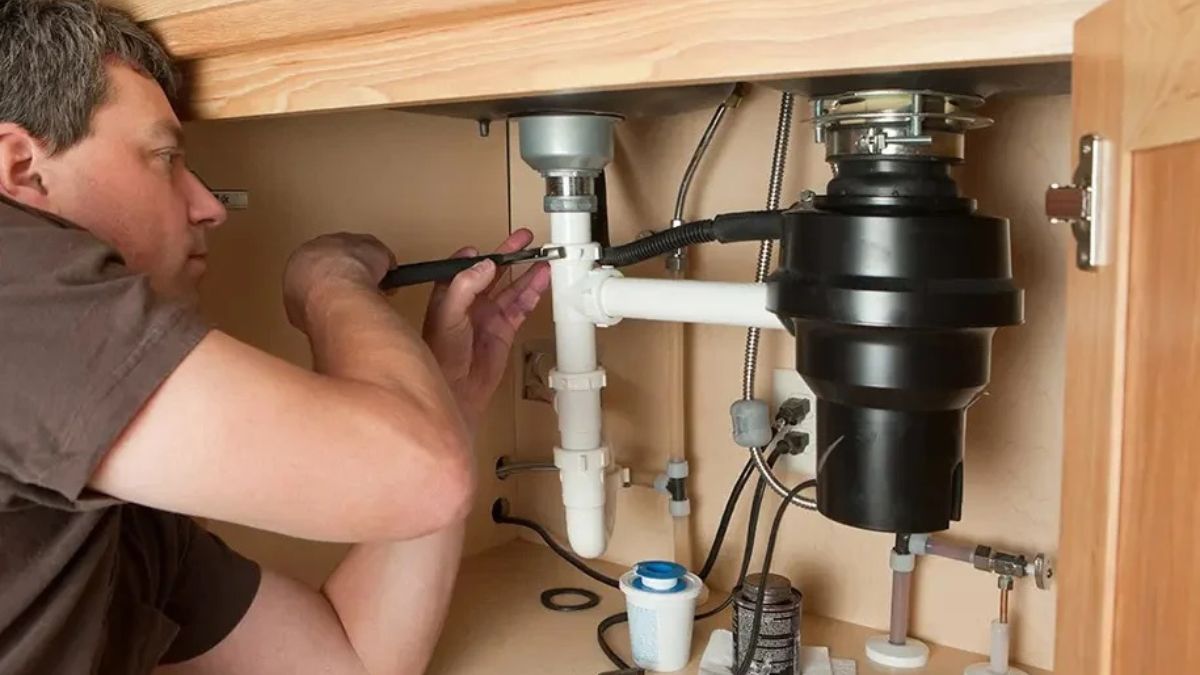
Installing a new disposal means matching the unit's horsepower and features to your household's actual usage, connecting it correctly to both the sink drain and, in most configurations, the dishwasher drain line, and confirming the electrical connection meets code. If you're upgrading from an older, weaker unit, this is also a reasonable time to discuss whether your septic system - if your property is on one rather than public sewer - can handle the added solid load a disposal sends into the tank; see our septic tank pumping page for that side of the conversation.
What Actually Causes Most Jams
- ●
Fibrous foods like celery, corn husks, and onion skins, which wrap around the grinding components instead of breaking down cleanly.
- ●
Bones, fruit pits, and other genuinely hard objects the unit isn't designed to grind at all.
- ●
Grease and fat, which coat internal components and attract other debris rather than grinding away cleanly.
- ●
Running the disposal without adequate water flow, which is what actually flushes ground material through the drain line rather than leaving it to settle.
Why Disposals Wear Out Faster in Lancaster
Mineral deposits from hard water build up on internal disposal components the same way they do everywhere else in a home's plumbing, gradually adding friction to moving parts that were designed to spin freely. That extra wear, combined with normal food-grinding stress, is a real factor in why a disposal here can need replacement sooner than the same model would in a soft-water market - not a defect in the unit itself, just the cumulative effect of the water it processes every day.
Two More Common Complaints
A persistent odor even after running the disposal is usually trapped food debris in the splash guard or in the grinding chamber itself, not a sign the unit is failing - running it with cold water and a bit of ice can dislodge material a quick run alone won't. Unusual rattling or metallic noise, as opposed to a low grinding hum, more often points to a foreign object like a utensil or bottle cap that's made its way in and needs to be manually removed before it causes real damage to the grinding components.
Questions
That's almost always a jammed flywheel, not a failed motor. Pressing the reset button and manually rotating the flywheel with a hex wrench through the bottom opening often clears it without needing a replacement.
Generally less than many other plumbing fixtures, and Lancaster's hard water can shorten that further through mineral buildup on internal components.
It's worth discussing first - a disposal sends more solid material into a septic tank than the system may be designed for, which can mean more frequent pumping.
Yes, we work on the common residential brands and can advise honestly on repair versus replacement based on the unit's age and condition.
Ready When You Are
Call (714) 750-8637 - we'll get to Lancaster soon.