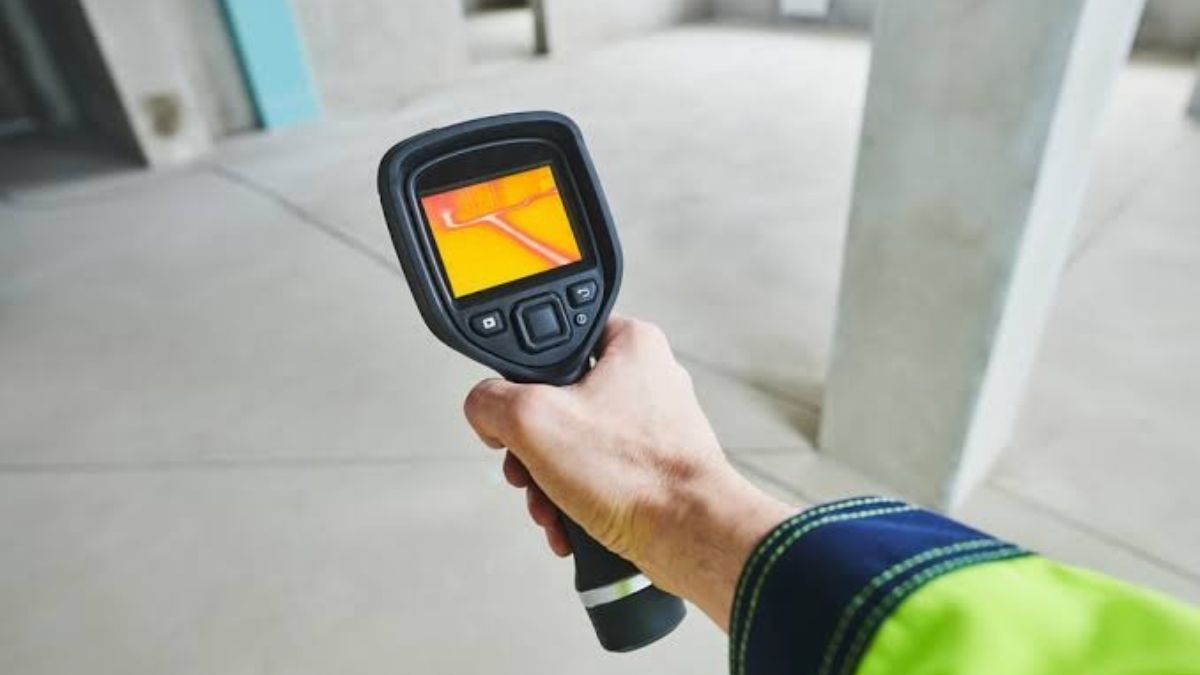
Warm Spot on the Floor, or a Water Bill That Jumped for No Reason?
A patch of floor that feels strangely warm underfoot, the sound of running water when every tap in the house is off, a sudden spike in your water bill, or water pressure that's dropped for no clear reason - on their own, each can mean something minor. Together, or even one of them showing up clearly, this combination is the classic sign of a slab leak: a leak in a water line running beneath your home's concrete foundation. Because the pipe is buried under the slab, the leak stays hidden until it's caused real damage, which is why catching it early matters.
Slab Leaks Are a Real Risk in Lancaster
Lancaster's clay and sandy-loam soil expands when it's wet and contracts when it dries out, and that seasonal movement puts real stress on pipes running under a slab foundation - a genuine contributor to the joint failures and pinhole leaks that show up as slab leaks. Add in decades of extremely hard water accelerating corrosion on older copper or galvanized lines, and slab-foundation homes here are dealing with two real risk factors at once, not just one.
How Slab Leak Detection Works
- 1
Water meter check. With every fixture off, a moving meter dial confirms water is escaping somewhere in the system.
- 2
Acoustic and electronic detection. Listening equipment pinpoints the leak's location under the slab without guessing where to cut.
- 3
Targeted access. Once located, the repair opens only the section of slab or wall actually needed - not the whole floor.
What Repair Actually Looks Like
Depending on the leak's location and the pipe's condition, repair options include a direct spot repair at the leak point, re-routing the line above the slab or through the attic to bypass the damaged section entirely, or trenchless pipe lining for a longer run of compromised pipe. Which option makes sense depends on the pipe's age and material - something we confirm during detection, not before.
What Happens If a Slab Leak Sits Unrepaired
A slab leak doesn't stay small. Water escaping under the foundation has nowhere to go but into the surrounding soil and, eventually, up through the slab into flooring and subflooring. In a home with tile or hardwood, that usually means warped or cracked flooring by the time the leak is visible without instruments - at that point, drying out the affected flooring becomes its own job alongside the pipe repair. Left long enough, sustained moisture under a foundation can also affect the soil's ability to support the slab evenly, which is a much larger and more expensive problem than the plumbing repair itself. None of this happens overnight, but it also doesn't reverse itself - the honest math almost always favors an earlier repair over a later one.
Many Lancaster homes with slab foundations date to the city's growth years in the 1970s and 80s, which means copper and galvanized supply lines in the 40-to-50-year range are now old enough that a first slab leak is common, not unusual. If your home falls in that range and you've never had the plumbing under the slab inspected, a proactive check costs far less than waiting for symptoms. A hot-water-side leak tends to show up first as a warm floor spot, while a cold-water-side leak is more likely to be caught only by the water meter test, since there's no temperature difference to feel underfoot - one more reason a meter check belongs in every inspection, not just a walk-through. Browse our other plumbing services if something else on the property needs attention at the same time.
Questions
A localized warm spot - especially one you can feel clearly walking barefoot - usually means a leaking hot water line under the slab is heating the concrete and flooring above it from below. It's one of the most reliable slab leak signs and worth having checked promptly.
The longer it runs, the more water works its way into flooring, subfloor, and in some cases the foundation itself, which is why an early check - even just confirming the water meter is moving with everything off - is worth doing at the first sign.
No. Acoustic and electronic detection locate the leak first, so the repair opens only the specific section of slab or wall that's actually needed.
Coverage varies by policy and by how long the leak has been running before it's found, so check with your insurer directly. We can document the leak's location and cause to support a claim.
Ready When You Are
Call (714) 750-8637 - we'll get to Lancaster soon.