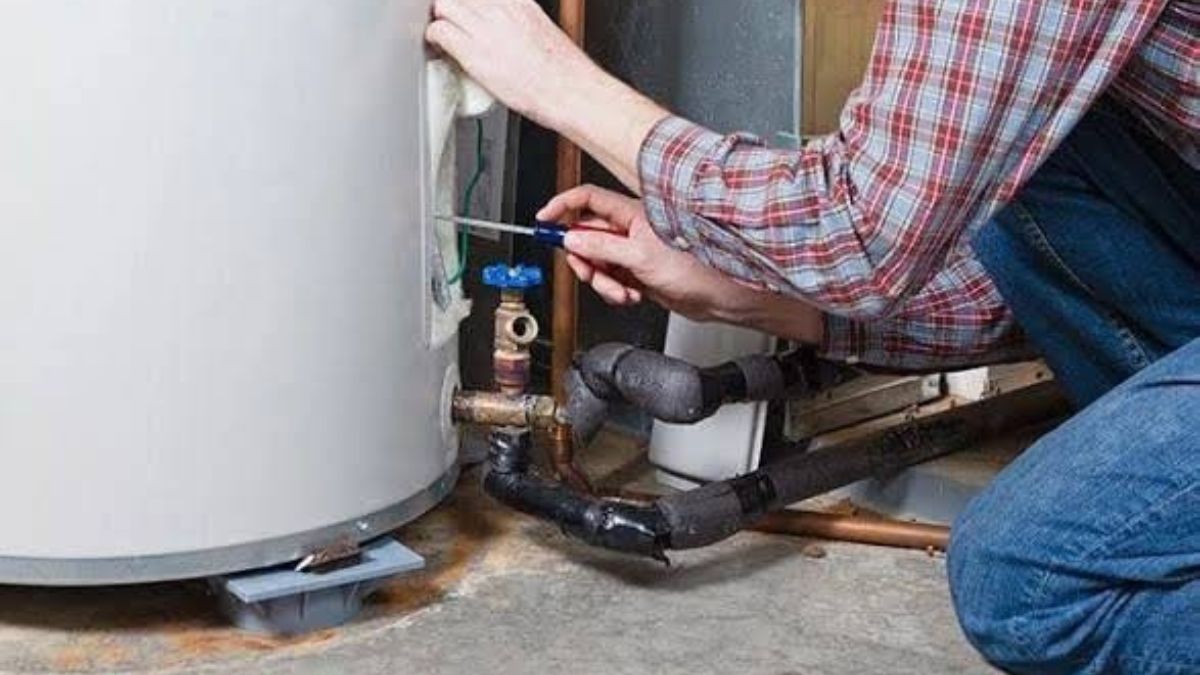
Repair vs. Replacement: Making the Call
A leaking tank almost always means replacement, since a tank itself can't be repaired once it's breached. Short of that, age and repair history matter more than any single symptom - a unit already well into or past its expected lifespan that needs a second or third repair is usually better replaced than patched again, especially in Lancaster's hard-water conditions that shorten that lifespan further. Our water heater repair page covers the repair side of this decision in more depth; this page covers what happens once replacement is the right call.
Choosing a New Unit for a Lancaster Home
Tank capacity needs to match household size and actual hot water usage patterns, not just the size of the unit being replaced - a household's needs can change since the original unit was installed. Given Lancaster's extremely hard water, we also factor in how a given model handles scale: some tankless units have more accessible descaling ports than others, and some tank units have more serviceable anode rod access, both of which matter more here than they would in a soft-water market.
Making the Switch, or Staying With What You Know
Replacing a failed tank unit with another tank unit is the simpler, usually less expensive path, and tank units remain more forgiving of hard water since sediment settles to the bottom where it's easier to flush. Switching to tankless at replacement time is a bigger upfront investment but saves space and can supply hot water on demand - it just requires a firmer commitment to a real descaling schedule in this water, which is worth being honest about before making the switch rather than after.
What's Involved Beyond Just the Unit
- ●
Removal and disposal of the old unit, including draining a tank that may weigh significantly more than expected once full.
- ●
Checking that existing gas, electrical, or venting connections meet current code for the new unit - older installations sometimes don't.
- ●
A permit and inspection, which protects you if the installation is ever reviewed at resale.
- ●
Setting a new maintenance schedule from day one, rather than waiting years before the first flush or descale.
Don't Wait for a Total Failure
Replacing a water heater on your own timeline, before it fails completely, means choosing the right unit and scheduling the work at a convenient time - rather than being without hot water while making a rushed decision during an emergency. If your unit is well into its expected lifespan and Lancaster's hard water has been accelerating wear the way it typically does here, planning a replacement proactively is usually the less stressful and more cost-effective path compared to waiting for a failure to force the decision.
Start the Maintenance Habit Immediately
A brand-new water heater in Lancaster's hard water starts accumulating scale from the very first heating cycle, the same as the unit it replaced. The difference between a new unit that lasts its full expected lifespan and one that needs early attention usually comes down to whether flushing and anode rod checks start on day one or get put off for a few years "since it's new." We'll walk through a realistic maintenance schedule as part of the installation, not as an afterthought once problems start.
What Happens to Your Old Water Heater
The old unit is drained, disconnected, and hauled away as part of the job - you don't need to arrange separate disposal or figure out how to move a heavy, awkward appliance yourself. If the old tank shows signs of a slow leak that's already reached the surrounding floor, we'll flag that during removal, since it may be worth a look from our water damage restoration team if there's flooring or subfloor damage underneath that wasn't visible until the unit was moved.
Questions
A straightforward like-for-like replacement is often completed same-day. A switch from tank to tankless, or one requiring venting or electrical changes, can take longer.
Yes, water heater installation and replacement is permitted work in California, inspected by the local building department.
It depends on your household's hot water usage and your willingness to keep up with a stricter descaling schedule in Lancaster's hard water. We can walk through the real trade-offs for your specific situation.
Sizing depends on household size and usage patterns, not just matching the old unit's capacity - we assess your actual needs before recommending a size.
Sometimes, depending on existing gas, electrical, and venting infrastructure. Relocating a unit is a bigger job than a like-for-like swap, so we'll walk through what's actually feasible for your home's layout.
Ready When You Are
Call (714) 750-8637 - we'll get to Lancaster soon.