Why Chemical Drain Cleaners Are the Worst Option for a Lancaster Home
The heat that clears the clog is the same heat working against your pipe - a real problem given how much galvanized pipe is still in service here.
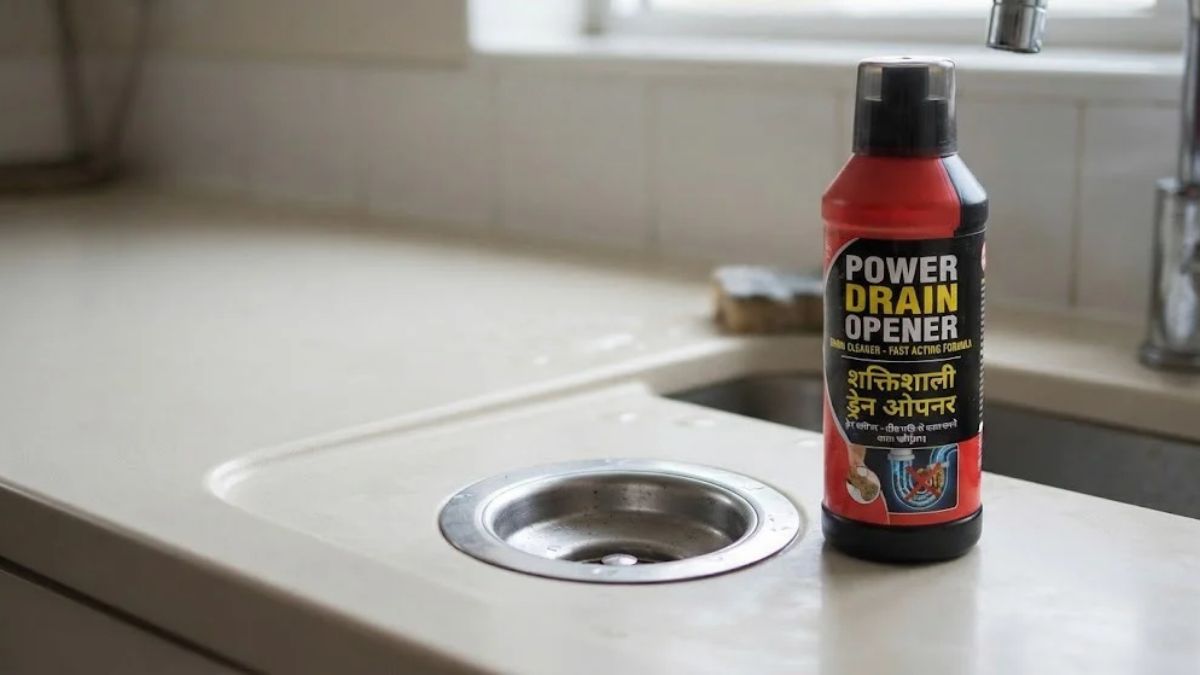
A bottle of chemical drain cleaner looks like the fastest, cheapest fix for a clogged drain. In Lancaster specifically, it's often the worst option available - and the reason has to do with exactly the plumbing materials common in this city's older housing stock.
How Chemical Drain Cleaners Work
Most chemical drain cleaners rely on a strong base (often sodium hydroxide or a similar caustic compound) that generates heat through an exothermic reaction as it breaks down organic clog material like hair and grease. That heat is doing double duty - it's also being generated directly against the interior of whatever pipe the clog is sitting in, which is where the real problem for a Lancaster home begins.
What This Heat Does to Older Pipe
The heat generated by caustic drain cleaners can accelerate corrosion in older metal pipe - a real concern in a city where galvanized supply and drain lines are common in pre-1980s housing stock. Repeated chemical treatments on the same problem drain compound this over time, adding thermal and chemical stress to pipe that's already dealing with decades of hard-water mineral buildup. PVC pipe isn't immune either - repeated exposure to the heat these products generate can soften or deform plastic pipe joints over time.
Two More Reasons to Skip It
- ●
It doesn't fix recurring clogs. Chemical cleaners dissolve organic material but do nothing about the tree root intrusion or long-term scale buildup that's often the actual underlying cause of a clog that keeps coming back.
- ●
It's a real problem for septic systems. Harsh chemicals can disrupt the bacterial balance a septic tank depends on to break down waste, which matters directly for Lancaster properties in unincorporated areas relying on septic rather than sewer.
Mechanical Methods, Without the Chemical Risk
Snaking and hydro jetting both clear a clog through mechanical force rather than chemical reaction, with no heat generated against the pipe wall and nothing left behind in the line afterward. Our hydro jetting page covers when that's the better option for a stubborn or recurring clog specifically, but the short version for this comparison is straightforward: a chemical cleaner risks the pipe itself to solve a problem a mechanical method solves without that risk.
Mixing Chemicals Is Its Own Hazard
Combining different chemical drain products, or using one after another hasn't worked, can create a genuinely dangerous reaction - some combinations release toxic fumes, and pressure can build inside a partially cleared pipe in ways that cause the caustic liquid to splash back out unexpectedly when the clog does eventually shift. If a first attempt with a chemical cleaner hasn't worked, the safe move is to stop, not double the dose or add a different product on top of what's already in the line.
An Extra Reason for Caution
A property with an unknown plumbing history - a rental where the pipe material was never confirmed, or an older home purchased without a full plumbing inspection - is exactly the situation where a chemical cleaner's risk is hardest to judge, since you may not actually know whether you're dealing with galvanized, older PVC, or a newer PEX system underneath. When the pipe material isn't confirmed, the safer default is to skip the chemical option entirely rather than gamble on a material that might already be compromised.
What About Enzyme-Based Drain Treatments?
Enzyme or bacteria-based drain treatments work on a fundamentally different, gentler principle - biological cultures that digest organic buildup gradually over repeated applications, generating no heat and posing no corrosion risk to any pipe material. They're not a fix for an active, fully blocked drain, since they work slowly as a preventive maintenance product rather than an emergency clear-out. For ongoing maintenance between service visits, they're a genuinely safer category than a caustic cleaner, worth asking us about if you want a between-visits option that won't work against your pipes the way a bottle from the hardware store shelf can.
What This Means for Your Overall Plumbing Budget
A few dollars spent on a bottle of drain cleaner feels like the cheap option in the moment, but weighed against the real risk of accelerating failure in pipe that's already dealing with decades of hard-water wear, it's a poor trade for a home in Lancaster's typical older housing stock. The honest comparison isn't "chemical cleaner versus a service call" - it's "a small, controlled cost now versus a larger, less predictable one later if a weakened pipe fails outright." Framed that way, mechanical clearing looks like the more conservative choice, not the more expensive one.
FAQ
Formulations vary, but the ones relying on a strong caustic base and generating significant heat carry the most risk for older metal pipe specifically. Enzyme-based cleaners for routine maintenance are a gentler category, though they work on a different, slower timeline than a caustic cleaner or mechanical clearing.
Don't follow it with another chemical treatment. Call for mechanical service, and mention that a chemical cleaner was already used so it can be handled safely rather than adding more caustic material to the mix.
For a genuinely minor, one-time clog in newer PVC plumbing, an occasional use carries lower risk than in older galvanized systems. It's still not our first recommendation given the septic and recurring-clog concerns above.
Need a Plumber in Lancaster?
Call (714) 750-8637 - we'll get to Lancaster soon.