Commercial Plumbing Realities for Lancaster's Logistics and Retail Sector
Backflow compliance, grease traps, and higher-volume systems - commercial plumbing needs look nothing like a residential call.
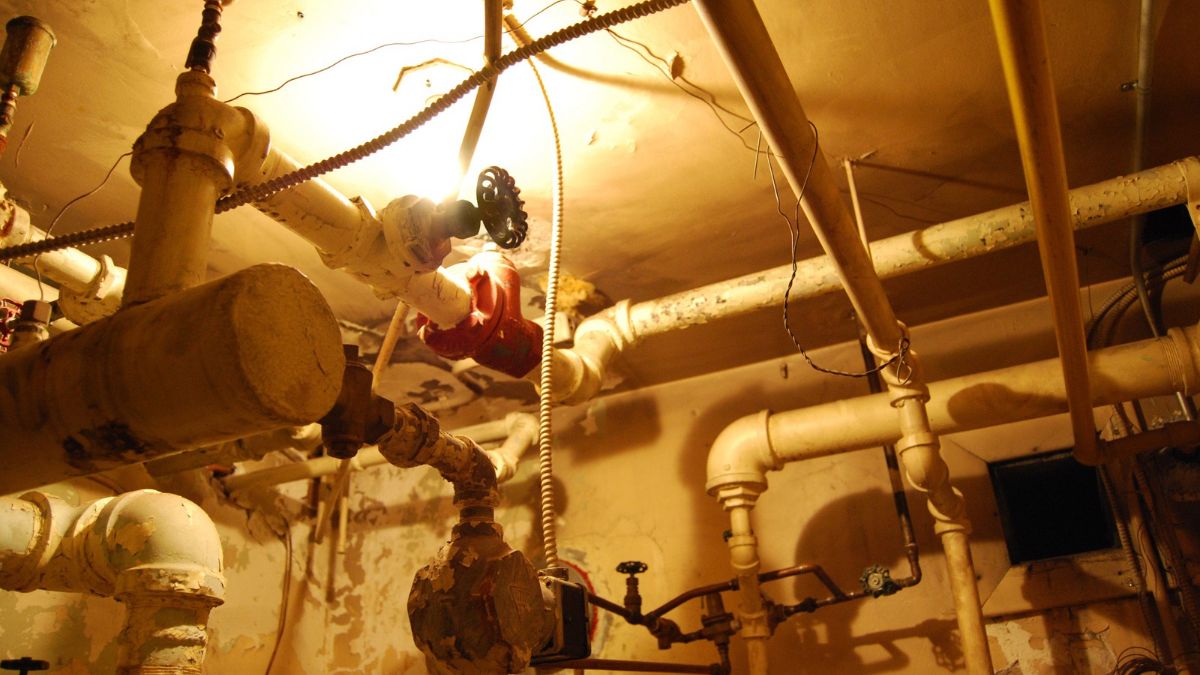
Antelope Valley's economy has diversified well beyond its agricultural roots into logistics, aerospace, renewable energy, and retail - and each of those business types has plumbing needs that look nothing like a residential service call.
A Compliance Requirement, Not Just a Good Idea
Commercial properties, particularly those with irrigation systems, fire suppression lines, or certain process equipment, are typically required to have backflow prevention devices tested on a regular schedule to protect the public water supply from contamination. This isn't optional maintenance - it's a compliance requirement tied to the property's water connection, and letting it lapse can create real regulatory exposure for a business owner who may not even realize the requirement applies to their property.
Grease Traps and Higher-Volume Fixtures
Any Lancaster business handling food service needs a properly sized and regularly serviced grease trap - undersized or neglected traps are a common source of sewer line blockages that affect not just the business itself but potentially neighboring tenants sharing the same line. Retail and restaurant plumbing also sees far higher fixture-use volume than a residential system was ever designed for, which means components wear faster and warrant a more proactive inspection schedule than a homeowner would typically need for a single household's bathroom and kitchen fixtures.
Higher-Capacity Systems for Higher-Capacity Operations
Warehouses and logistics facilities common to the Antelope Valley's growing distribution sector often run larger-capacity water heaters for break rooms and wash stations, more extensive fire suppression plumbing, and floor drain systems that need periodic clearing given the volume of foot and vehicle traffic. These systems are built to a different scale than residential work, and problems tend to affect operations more broadly when they're not caught early - a clogged floor drain in an active warehouse is a different kind of urgent than a slow drain at home.
Hard Water Doesn't Care What Kind of Building It's In
Every mechanism covered elsewhere on this site - mineral scale, corrosion in older galvanized lines, soil movement affecting underground pipe - applies just as much to a commercial property as a residential one, and often more, given the higher water throughput most commercial systems see. A business running its water heaters or process equipment on the same maintenance neglect a residential system might tolerate tends to see failures show up faster, simply because of volume. If your business needs plumbing service in Lancaster, see our contact page to get in touch, or browse our full service list for anything specific to your property type.
Why Emergency Response Matters More for a Business
A residential plumbing emergency is disruptive to a household; a commercial plumbing emergency can mean lost revenue for every hour a business can't operate normally - a restaurant that can't run its kitchen, a warehouse floor closed off by standing water, or a retail space with an unusable restroom during business hours. That's part of why commercial calls often warrant a faster response commitment than a routine residential repair, and why a business is generally better served having an established relationship with a plumber before an emergency happens rather than searching for one during the disruption.
The Case for Scheduled Commercial Maintenance
A scheduled inspection program - checking backflow devices ahead of their compliance deadline, servicing grease traps on a fixed calendar rather than waiting for a slowdown, and flushing higher-capacity water heaters more frequently than a residential unit would need - catches most commercial plumbing problems before they become the kind of emergency that closes a business for a day. For a property with tenants or a business with fixed operating hours, that predictability is worth more than the cost of the maintenance itself.
A Special Case: Shared Plumbing Systems
Commercial and mixed-use buildings with multiple tenants often share sewer laterals, water mains, or grease interceptors serving more than one business, which means one tenant's neglected plumbing can become every tenant's problem. A blockage or backup on a shared line doesn't respect lease boundaries, and figuring out responsibility after the fact is far more disruptive than establishing a shared maintenance arrangement up front. Property managers overseeing multiple commercial tenants in Lancaster are often better served coordinating plumbing maintenance at the building level rather than leaving it to each individual tenant.
What to Bring Up on a First Commercial Call
If you're establishing a plumbing relationship for a Lancaster business for the first time, it's worth having basic information ready: the property's age and any known plumbing history, whether backflow devices are already installed and when they were last tested, and roughly how much water throughput your operation involves day to day. That context lets us assess the property's actual needs on the first visit rather than starting from zero.
Coordinating Around Business Hours
Non-emergency commercial work can usually be scheduled around off-hours or slower periods to minimize disruption to customers and staff, which is worth discussing upfront rather than assuming every job requires closing during peak business hours. For properties that can't fully close for any window, a phased approach - working through sections of a building or system one at a time - keeps at least part of the operation running throughout the job.
FAQ
Yes, backflow testing and prevention is part of our commercial service offering - see our full services list or contact us to discuss your property's specific requirements.
Yes. Regular grease trap service is a standard part of our commercial work in Lancaster.
Need a Plumber in Lancaster?
Call (714) 750-8637 - we'll get to Lancaster soon.