Galvanized Pipe in Older Lancaster Homes: What to Watch For
It has a real expiration date, and Lancaster's hard water shortens it further.
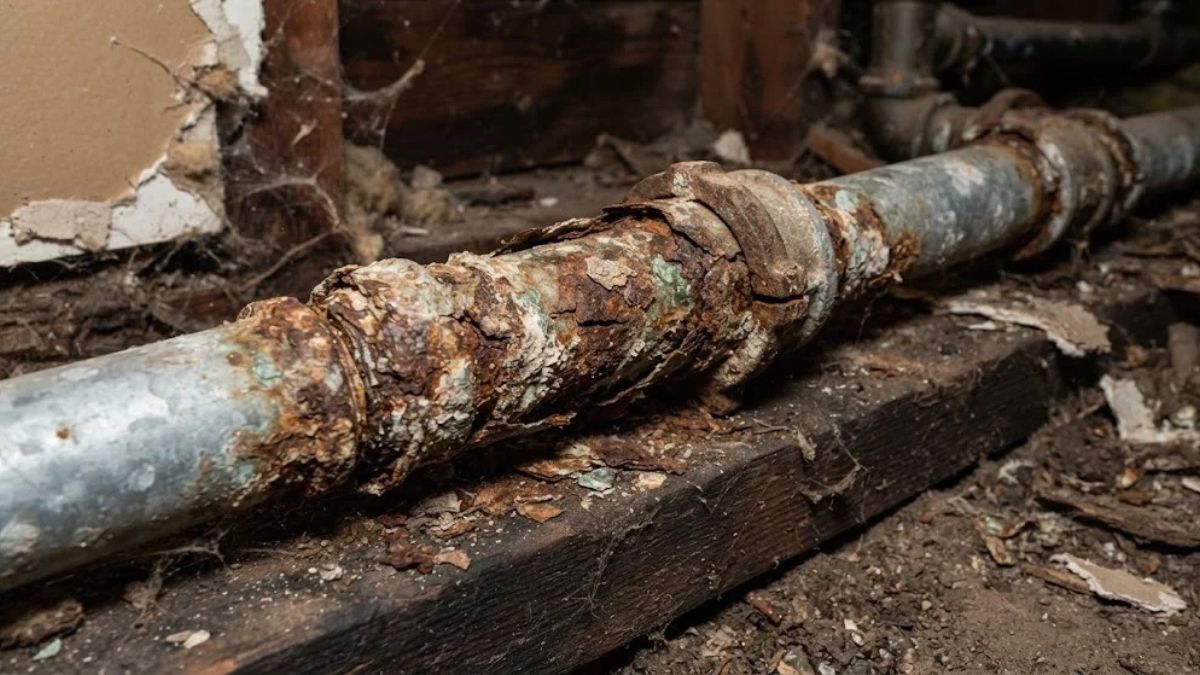
If your Lancaster home was built before the mid-1980s and you've never had the supply lines checked, there's a real chance you're still running water through galvanized steel pipe - and that pipe has a known expiration date that most homeowners never hear about until something goes wrong.
Why Builders Used Galvanized Pipe in the First Place
Galvanized pipe is steel coated in a layer of zinc, and for much of the 20th century it was the standard, affordable choice for residential water supply lines - a real upgrade over the lead and bare iron piping that came before it. It shows up throughout Lancaster's older housing stock, particularly in homes from the city's earlier growth periods before copper and PEX became the norm.
The Zinc Coating Was Never Meant to Last Forever
Manufacturers generally expected 40 to 50 years of useful life from galvanized pipe. As the zinc coating wears away, the exposed steel underneath starts corroding from the inside out - and Lancaster's extremely hard, mineral-heavy water accelerates that corrosion, building up rust and scale along the interior pipe wall on top of the zinc's natural breakdown. The result is a pipe that narrows from the inside, restricting flow, and eventually becomes brittle enough to develop pinhole leaks or fail outright. None of this is visible from outside the wall, which is exactly why it tends to catch homeowners off guard.
How Galvanized Pipe Failure Actually Shows Up
- ●
Rusty or discolored water, especially right after a tap that hasn't been used in a while.
- ●
A metallic taste, even when the water looks clear.
- ●
Noticeably reduced water pressure throughout the house, not just at one fixture.
- ●
Visible corrosion or flaking on any exposed sections of pipe, such as under a sink or in a garage.
Repair, Repipe, or Wait?
A single failed section can sometimes be spot-repaired, but galvanized pipe corrodes as a system - if one section is failing, nearby sections on the same run are usually not far behind. For a home that's already past the 40-to-50-year mark, a full or partial repipe with copper or PEX is often the more honest long-term answer rather than chasing one leak after another on borrowed time. Our slab leak detection page covers what's involved when galvanized supply lines under a slab foundation specifically are the source of a leak, and our water heater repair page covers what corroded galvanized supply lines feeding a water heater can mean for the unit itself.
Copper and PEX: What Replaces Galvanized Pipe
Copper pipe has been the long-standing standard replacement for galvanized supply lines - it resists corrosion far better and, with proper installation, can last 50 years or more even in a hard-water market. PEX, a flexible plastic tubing, has become the more common choice in newer installations because it doesn't corrode at all, tolerates minor freezing better than rigid copper, and generally costs less to install since it requires fewer joints and less labor to run through walls. Neither material eliminates hard-water scale entirely, but neither one corrodes the way steel does, which is the specific failure mode galvanized pipe can't outrun.
What a Repipe Actually Involves
A full repipe means running new supply lines to every fixture in the home, which typically requires opening some drywall to access the existing routing - though experienced crews minimize this by following the original pipe paths where possible. It's a bigger job than a single repair, done over a matter of days rather than hours, and water service is interrupted only for the specific sections being worked on at any given time rather than the whole house at once. A partial repipe, targeting only the most at-risk sections, is sometimes a reasonable middle step for a home that isn't ready for a full replacement but has one clearly failing run.
Why This Matters at Resale Too
Galvanized supply lines are a known flag for home inspectors and increasingly for lenders and insurers in some cases, since the failure mode is well understood industry-wide. If you're buying an older Lancaster home, checking supply pipe material is worth adding to your own inspection checklist alongside the usual roof and foundation items. If you're selling, addressing galvanized pipe proactively can prevent it from becoming a negotiating point that costs more in a rushed pre-closing repair than it would have as planned maintenance. A quick magnet test at a few exposed pipe sections during a walkthrough is enough to flag the question before it turns into a surprise during escrow.
This Isn't a Reason to Panic, But It Is a Reason to Check
Plenty of Lancaster homes with galvanized pipe are still functioning fine, particularly if the pipe is on the newer end of its expected lifespan or has been partially updated over the years. The point isn't that every galvanized system is a ticking emergency - it's that this specific pipe material has a known, predictable failure pattern that's worth knowing about proactively rather than discovering the hard way during a leak.
FAQ
A magnet will stick to galvanized steel pipe but not to copper or PEX - a quick way to check exposed sections yourself. If you're not sure, we can confirm during a service call.
Older galvanized systems can leach zinc and, in some cases, trace lead from old fittings as corrosion progresses. It's not an emergency by itself, but it's a real reason to prioritize repiping rather than waiting indefinitely.
Need a Plumber in Lancaster?
Call (714) 750-8637 - we'll get to Lancaster soon.