The Real History Behind Lancaster's Water Supply
One aqueduct built the town in 1913. A completely different one is what actually comes out of the tap today.
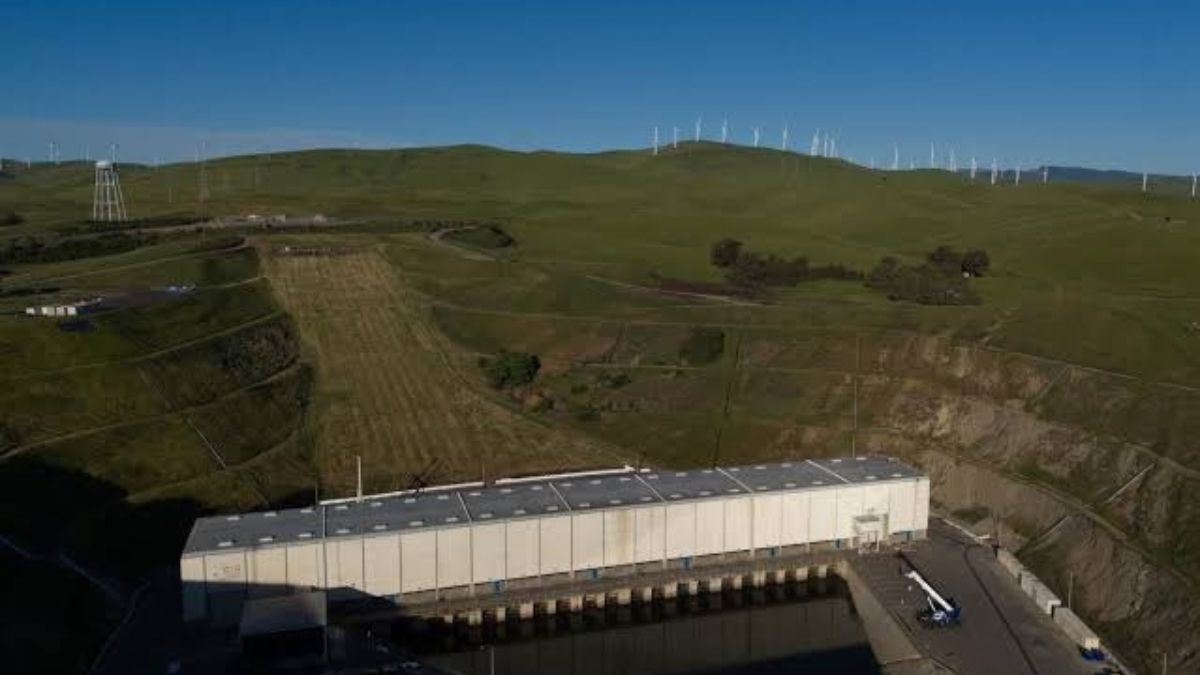
Two different aqueducts shaped Lancaster, and it's easy to mix them up. One built the town; a completely different, later one is what actually comes out of the tap today. Here's the real history, kept straight.
The Los Angeles Aqueduct (1913)
Between 1905 and 1913, construction crews built the 233-mile Los Angeles Aqueduct, carrying water from the Owens River in the eastern Sierra Nevada to the city of Los Angeles - a project led by William Mulholland that reshaped Southern California's growth for the next century. The route passed along the northern edge of the Antelope Valley, and Lancaster boomed during construction as crews stayed locally - the city's Western Hotel, still standing today as a historical museum, housed aqueduct workers during that period. But the Los Angeles Aqueduct was built to serve the city of Los Angeles specifically, not the towns it passed near. Lancaster got a construction-era economic boost from it, not a water supply.
The California Aqueduct and the State Water Project
Lancaster's actual imported water arrives through a separate, much later system: the California Aqueduct, part of the State Water Project, which moves water from Northern California south through the state. Locally, the Antelope Valley-East Kern Water Agency is the State Water Project contractor that brings this supply into the valley, where it's blended with water pumped from the Antelope Valley's own groundwater aquifer before reaching homes. The two systems - the 1913 Los Angeles Aqueduct and the later California Aqueduct - share a region and a similar name, but they were built decades apart, by different agencies, for different purposes.
Groundwater Plus Imported Supply Is Why the Water Is So Hard
The groundwater half of that blend has spent a long time in contact with the Antelope Valley's mineral-rich geology before it's pumped out, picking up dissolved calcium and magnesium along the way. Blended with imported California Aqueduct supply, the result is the extremely hard water Lancaster homes deal with today - the direct cause of the scale buildup covered on our water heater repair page and a contributing factor in the corrosion covered on our slab leak page as well.
It's Not Just Historical Trivia
Understanding that Lancaster's water is an imported-and-groundwater blend, not a naturally soft local supply, explains why "just wait it out" isn't a real strategy for hard-water problems here - the mineral load isn't a temporary condition, it's a structural feature of where the water comes from. That's the practical reason maintenance schedules for water heaters and plumbing here look different than they would in a city drawing from a naturally soft source.
Why Imported Water Means Real Supply Constraints
Because a meaningful share of Lancaster's water arrives via the State Water Project rather than from a local river or lake, supply is tied to conditions far outside the Antelope Valley - snowpack in the Sierra Nevada, statewide reservoir levels, and environmental flow requirements elsewhere in California all factor into how much water actually reaches this region in a given year. During drought years, State Water Project allocations to contractors like the Antelope Valley-East Kern Water Agency can be reduced, which puts more reliance on local groundwater pumping - the same aquifer that's already contributing to the water's hardness. This is part of why water-efficient fixtures and prompt leak repair matter here beyond just the household water bill.
Lancaster Isn't Alone in This
Most of the high desert communities across the Antelope Valley and the wider Mojave region share a similar story - limited or no naturally occurring surface water, and a dependence on some combination of groundwater and imported supply to meet demand. Neighboring Palmdale, sharing much of the same water infrastructure, faces the same hardness and supply dynamics. It's a regional reality tied to the desert geography itself, not something unique to any one city's water utility decisions.
Why the Owens Valley Story Still Matters
The Los Angeles Aqueduct's construction remains one of the most consequential water infrastructure stories in California history - it enabled Los Angeles's growth into a major city while permanently altering the Owens Valley's own water supply and agricultural economy, a controversy still studied and litigated in various forms today. That history isn't Lancaster's water story specifically, but it happened right along Lancaster's edge, and it's part of why any conversation about where Southern California's water actually comes from has to account for both the human decisions behind the infrastructure and the communities affected by them.
Two Names, One Regional Story
The next time someone tells you Lancaster's hard water comes from "the aqueduct," it's worth asking which one they mean - the historic 1913 Los Angeles Aqueduct that shaped the town's early growth, or the California Aqueduct that actually delivers the imported water in your pipes today. Both are real, both matter to the region's story, and keeping them straight is the difference between an accurate picture of where your water comes from and a well-meaning but incorrect one worth passing on to the next person who asks.
FAQ
Hardness is a mineral and aesthetic issue, not a safety one on its own - Lancaster's water utility treats and monitors the supply for safety separately from its hardness level.
No - it was built and is still operated to serve the city of Los Angeles. Lancaster's imported supply comes through the separate California Aqueduct and State Water Project system.
Need a Plumber in Lancaster?
Call (714) 750-8637 - we'll get to Lancaster soon.