Why an Entire Generation of Lancaster Homes Is Reaching Slab-Leak Age
It's not bad luck - it's a specific building code gap that lines up almost exactly with Lancaster's own growth years.
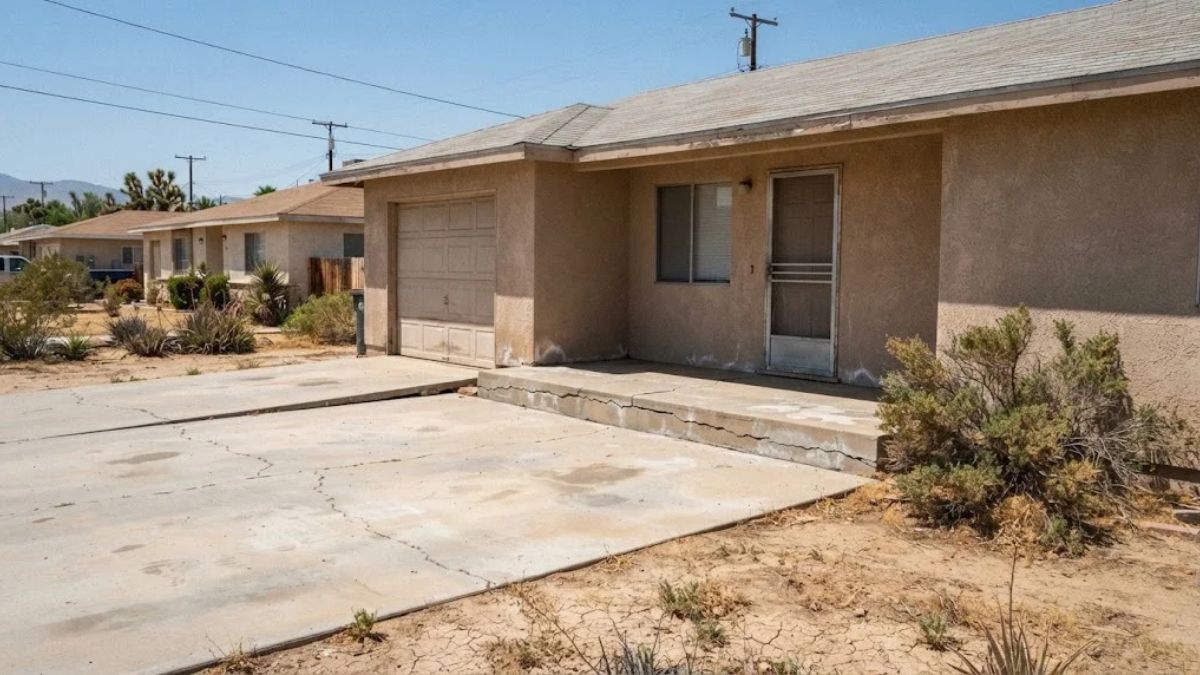
Slab leaks aren't randomly distributed across Lancaster's housing stock - they cluster hard around homes built before the early 1980s, for a specific, well-documented reason that has nothing whatsoever to do with bad luck. If your home falls in that window, understanding why explains a lot about the actual timing of when this particular problem tends to show up.
The Missing Vapor Barrier
Before the 1980s, building codes generally didn't require a moisture barrier between the soil and a concrete slab foundation. Copper water lines were commonly run directly beneath the slab, in direct contact with the surrounding soil - not wrapped or isolated the way current code now requires. Homes built after that code change include a polyethylene vapor barrier as standard practice, which meaningfully reduces (though doesn't fully eliminate) direct soil contact with buried lines. This single code change is a real dividing line in slab-leak risk, and it lines up almost exactly with Lancaster's own major growth period during those same decades.
Electrolysis: The Mechanism Behind Many Slab Leaks
Copper pipe is generally corrosion-resistant, but two specific conditions override that natural resistance: direct contact between copper and a dissimilar metal like galvanized steel or brass fittings, and certain soil chemistries that react with copper over time. Both create a slow electrochemical process - electrolysis - that pits and eventually perforates the pipe wall from the outside in. This is a different failure mode entirely than the mineral-scale corrosion covered on our water heater repair page, which affects the inside of pipes; electrolysis attacks copper pipe from the outside, where it contacts soil or another metal directly.
Why This Is a Live Issue Here Right Now
Lancaster's population and housing stock grew substantially through the 1970s and into the 1980s, which means a real share of the city's homes were built during exactly the window when under-slab copper commonly went in without a vapor barrier, into soil that's had four to five decades to react with it. A slab leak isn't a manufacturing defect showing up early - for a home in this age bracket, it's often a pipe reaching the end of a corrosion process that's been running quietly since the day the slab was poured. That's a meaningfully different story than a defective part or poor workmanship, and it's worth understanding the difference before assuming something was done wrong.
Should You Get Ahead of It?
If your home was built before the early 1980s and you've never had the under-slab plumbing inspected, that's a reasonable, low-cost step to take proactively rather than waiting for a warm spot on the floor or a spike in your water bill to force the issue. Our slab leak page walks through the specific detection methods and repair options once a problem is confirmed.
A Statewide Pattern, With Lancaster's Own Timing
This isn't a Lancaster-specific defect - it's a pattern that shows up anywhere in California with a comparable housing boom during those same pre-code-change decades. What makes it particularly relevant here is the overlap between Lancaster's own growth timeline and the exact building-code window this issue traces back to. A city that grew mostly before or mostly after that code change would see a noticeably different risk profile; Lancaster's boom years landed squarely inside it, which is exactly why this shows up on our service calls as often and as consistently as it does.
A Question Worth Asking Before You Need the Answer
Homeowner's insurance policies vary widely in how they treat a slab leak - some cover the water damage that results but not the cost of accessing and repairing the pipe itself, while others draw the line differently between the two. Given how common this specific risk is for a pre-1980s Lancaster home, it's worth a direct conversation with your insurance provider about exactly what your policy does and doesn't cover for this scenario, rather than discovering the gap for the first time in the middle of an active claim when it's too late to adjust coverage.
What This Means at a Real Estate Transaction
A pre-1980s home changing hands is a natural point to raise this specific question, since the age bracket itself is a known, documented risk factor rather than a vague, unfounded concern. A seller with no history of slab leak issues isn't necessarily hiding anything - many homes in this bracket never develop a problem at all - but a buyer reasonably benefits from knowing the age-related risk profile before closing, the same way they'd want to know about roof age or electrical panel type. Raising it doesn't need to be adversarial or confrontational; it's simply an informed, reasonable question for a home built during this specific era.
FAQ
No - not every older home develops a slab leak, but homes from this era carry meaningfully higher risk given the construction practices of the time. It's a risk factor, not a certainty.
Not retroactively under the slab itself without major excavation. For an older home, the more practical response is proactive inspection and, if needed, rerouting vulnerable lines rather than trying to add a barrier after the fact.
Ongoing electrolysis can sometimes be slowed with proper grounding corrections or dielectric fittings where dissimilar metals meet, but pipe already significantly corroded needs repair or rerouting, not just prevention going forward.
Need a Plumber in Lancaster?
Call (714) 750-8637 - we'll get to Lancaster soon.